

Our forage production is a key area of activity that brings together soil fertility and the sustainability of livestock farming. In order to support local producers, we produce straw bales, alfalfa bales, forage turnip (Lenox) silage, corn silage, and sweet sorghum silage.
By prioritizing drought-resistant forage crops such as forage turnip and sorghum, we adopt a production model that conserves water resources while increasing productivity. Through this approach, we do not produce feed alone; we build trust, stability, and a sustainable rural economy. Every bale reflects our labor, and every silage carries our responsibility for the future.
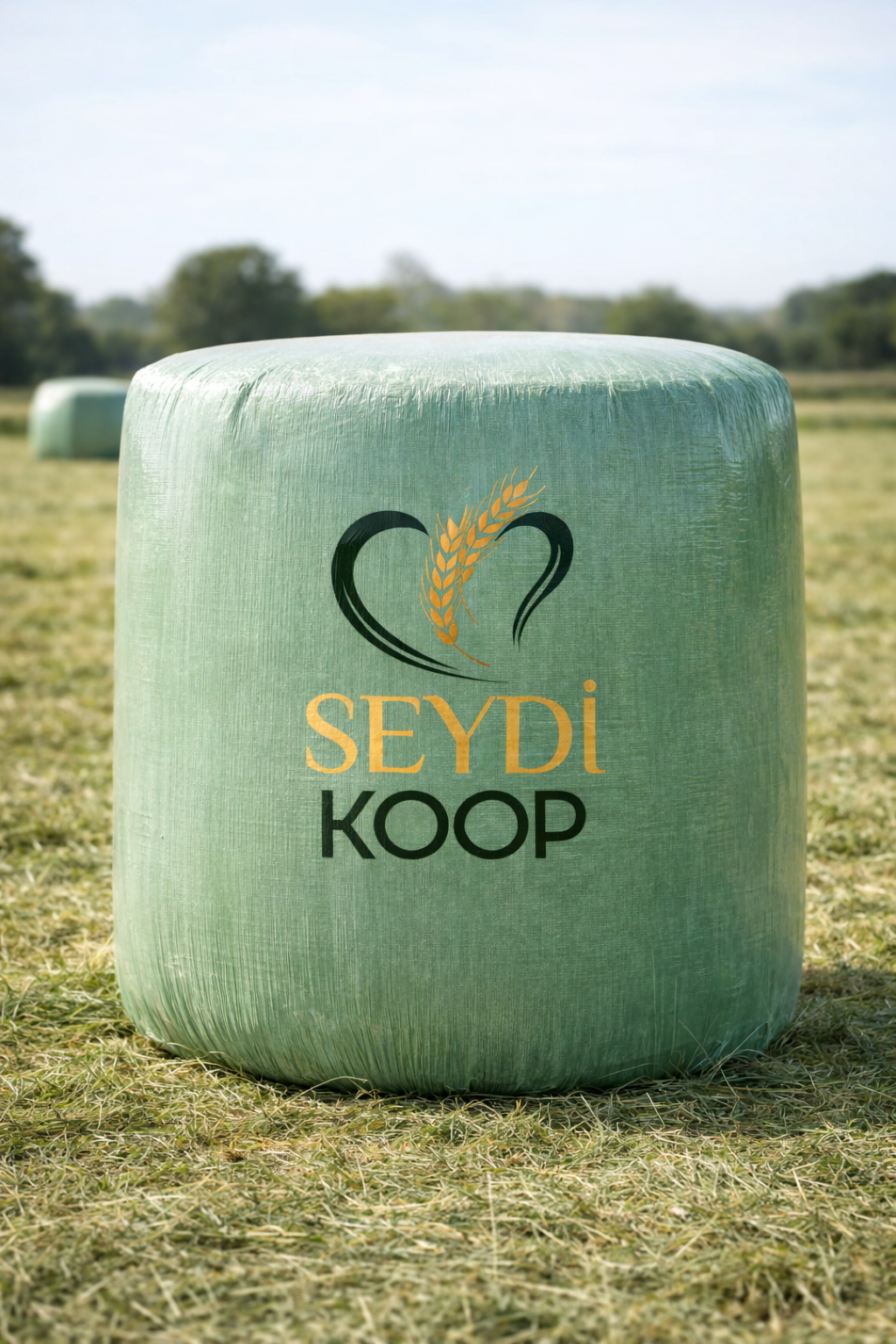
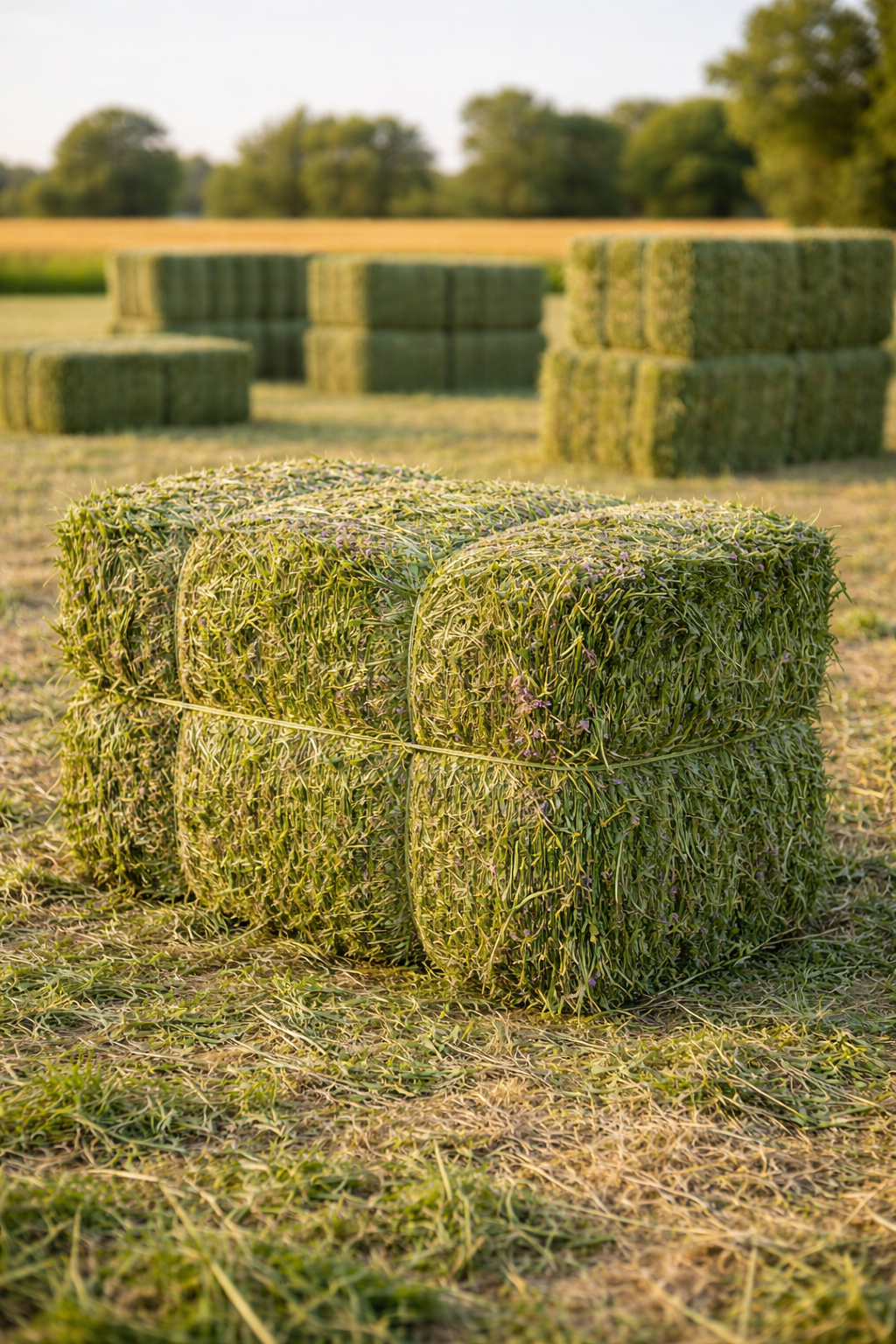
Alfalfa bale is one of the most valuable roughages in livestock farming, known for having one of the highest crude protein contents among forage feeds. Its leaf-rich structure provides high levels of protein, minerals, and vitamins, directly enhancing productivity and milk quality, especially in dairy animals. With its high digestibility and palatability, alfalfa bale supports feed intake and is safely used as a key component of balanced rations.

Wheat and barley straw are among the basic roughages used in livestock farming to meet the fiber requirements of animal rations. Although their crude protein content is low, they are rich in structural fiber that supports healthy digestive function. When used together with silage and concentrate feeds, they help balance rations, increase rumination activity, and improve feed utilization. Wheat and barley straw are economical and complementary roughage sources.